Best Time to Visit Phu Quoc 2026 — Complete Seasonal Guide
By Sabrina · April 2026 · 12 min read
When is the best time to visit Phu Quoc? Month-by-month weather guide, dry vs rainy season, diving conditions, festival dates, and seasonal prices for 2026.
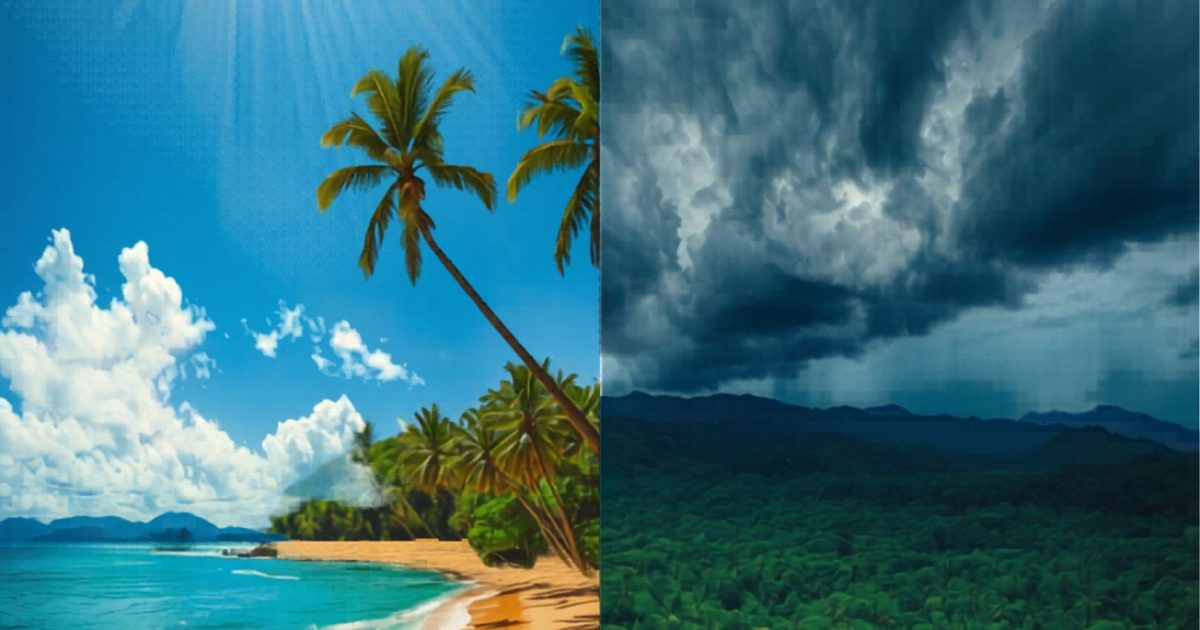
When is the best time to visit Phu Quoc? The honest answer depends entirely on what matters most to you — perfect weather, budget prices, empty beaches, or great diving. This complete guide breaks down every month of the year so you can choose your ideal travel window. I've been hosting guests on this island since 2018 and have watched hundreds of travellers arrive in every season — here is exactly what I tell them all.
December to February
Near-perfect weather every day, calm seas, best diving visibility of the year. The classic peak season.
November & March
90% of the perfect weather at 80% of the price. Far fewer crowds. The insider's choice.
May–June or October
Short afternoon rains, lush green island, rock-bottom accommodation prices.
February–March
Warm but not too hot, calm seas for kids, manageable crowds, great value.
📋 Table of Contents
- Month-by-Month Weather Overview
- The Dry Season (November–April)
- The Rainy Season (May–October): Myths vs Reality
- Best Time by Travel Goal
- How Seasons Affect Accommodation Prices
- Best Months for Diving and Snorkeling
- Phu Quoc Festivals and Events Calendar
- What to Pack by Season
- Frequently Asked Questions
Month-by-Month Weather Overview
Phu Quoc has two very distinct seasons governed by its position in the Gulf of Thailand. The dry season (November to April) brings sunshine, calm seas, and ideal beach weather. The wet season (May to October) sees afternoon rain showers, rougher seas, but dramatically lower prices and a lush, verdant landscape that makes the island look like it belongs in a David Attenborough documentary. Understanding each month precisely helps you pick the perfect window.
| Month | Air Temp | Sea Temp | Rainfall | Verdict |
|---|---|---|---|---|
| January | 27–29°C | 27°C | ~20mm | ⭐ Peak season — perfect but pricey |
| February | 27–29°C | 27°C | ~15mm | ⭐ Excellent — great for families |
| March | 28–31°C | 28°C | ~20mm | ⭐ Sweet spot — warm, far fewer crowds |
| April | 30–33°C | 29°C | ~50mm | 😄 Hot, occasional showers beginning |
| May | 30–32°C | 30°C | ~180mm | 🌧️ Rainy season starts — budget prices |
| June | 29–31°C | 30°C | ~220mm | 🌧️ Budget season — mornings often sunny |
| July | 28–30°C | 30°C | ~260mm | ⛈️ Wettest period — not ideal for boat tours |
| August | 28–30°C | 30°C | ~280mm | ⛈️ Peak wet season — lowest prices of year |
| September | 28–30°C | 30°C | ~270mm | ⛈️ Still wet — for budget travellers only |
| October | 28–30°C | 29°C | ~200mm | 😄 Rains easing — good value, improving |
| November | 27–30°C | 28°C | ~90mm | ⭐ Golden window — great weather, low price |
| December | 27–29°C | 27°C | ~40mm | ⭐ Peak season — book well in advance |
The Dry Season (November–April): What to Expect
The dry season is when Phu Quoc transforms into the postcard paradise most travellers dream about. Starting in November, the Southwest monsoon retreats and a steady northeast wind brings clear skies, calm seas, and perfect beach weather that persists all the way through to April. For first-time visitors and beach holiday seekers, this is the undisputed best time to visit — and for good reason.
November — The Golden Window Opens: Rain drops dramatically, seas calm down fast, and prices haven't yet reached their peak. Beaches that were empty all summer start filling up with savvy travellers who've discovered this secret timing. You'll find accommodation 20–25% cheaper than January with nearly identical weather. This is the month I personally recommend most when guests ask me.
December to February — Peak Season: Skies are almost cloudless, the sea is a brilliant turquoise, and diving visibility can reach 20 metres. This is when Phu Quoc buzzes with energy. Long Beach and Sao Beach are vibrant, Dinh Cau Night Market is packed, and island-hopping boats depart daily at dawn. The trade-off? Prices rise sharply — particularly around Christmas and New Year — accommodation fills up fast, and popular beach spots get genuinely crowded. Tet (Vietnamese New Year) in January or February adds a wonderful festive dimension, though some local shops briefly close.
March — The Second Golden Window: One of my personal favourite months. The crowds from Tet and Christmas have thinned considerably, but the weather is nearly identical to peak season. Temperatures inch up to 30–31°C, the sea remains glassy and warm, and you can sometimes walk entire stretches of Sao Beach without seeing another soul. Prices ease back to comfortable shoulder-season rates. March is ideal for couples and honeymooners who want the beauty of peak season without the crowds.
April — The Transition: Weather is still largely good — great beach days are very common — but you'll notice humidity rising and occasional afternoon showers beginning to appear. Temperatures peak at around 33°C. If you don't mind the heat and can handle the occasional short rain shower, April offers very good value for money as prices drop significantly from peak.
The Rainy Season (May–October): Myths vs Reality
The rainy season gets a bad reputation that it doesn't entirely deserve. Yes, from May to October you'll encounter more rainfall and rougher seas — but the reality on the ground is quite different from what travellers imagine when they hear "monsoon season." Having hosted guests year-round since 2018, I can tell you firsthand that many of my happiest long-stay guests have arrived in June, July, or August.
The biggest myth: "It rains all day every day." In reality, rainfall typically comes as a heavy 1–2 hour downpour, usually in the late afternoon or early evening. Mornings are very often completely clear and sunny. By 9am you can be on the beach with your coffee, and by midday the skies can look almost tropical-blue. The rain rolls in around 3–5pm — you shelter under a coconut palm or enjoy a cold Saigon Beer at a local cafe — and within two hours the storm has passed and the air smells incredible.
What actually changes in rainy season: Seas become noticeably rougher from July to September, making boat tours to the An Thoi Islands and island-hopping less reliable. Some days these tours are cancelled entirely for safety — this is the main genuine trade-off. If snorkeling and diving the southern archipelago is your primary goal, July and August are not optimal. But the island itself — the beaches, the pepper farms, the national park, the markets — is fully accessible.
What you gain in rainy season: Prices drop 40–50% compared to peak season. The island turns a spectacular, vivid green — the pepper plantations especially look incredible. Beaches that are packed with sun-loungers in December are often completely empty — you can have Long Beach almost to yourself on a Tuesday morning. Local restaurants aren't overwhelmed with tourists, service is relaxed and personal, and you'll interact far more with the island's permanent community. For digital nomads, the rainy season is genuinely brilliant — productive coworking mornings, beach and exploration afternoons, social and cheap evenings.
✓ When Dry Season Wins
- Planning a beach holiday as your main focus
- Diving or snorkeling the southern reefs
- Island hopping boat tours
- Honeymoon or romantic getaway
- First visit to Phu Quoc
- Photography with clear blue skies
- Attending island festivals and events
✓ When Rainy Season Wins
- Traveling on a tight budget
- Seeking authentic local experience
- Long-term stays (1+ month)
- Remote work and digital nomads
- Dramatic landscape photography
- Empty beaches and real solitude
- Exploring jungle and national park
Best Time by Travel Goal
Different travellers want very different things from Phu Quoc. Here is a breakdown matched to the most common travel goals I see from guests at the homestay each year:
For beach lovers and sun seekers: December to February is your window. Long Beach, Sao Beach, and Khem Beach are at their absolute best — calm aquamarine waters, fine white sand, and near-zero chance of your plans being ruined by rain. The sea is warm (27°C) and visibility for snorkeling is exceptional.
For budget travellers: June to August offers the lowest accommodation rates across the island — quality homestays and guesthouses from $10/night. Yes, you'll get afternoon rain, but mornings are reliably free and there are no crowds competing for restaurant tables or motorbike hire. Your money goes further on food, transport, and activities — local restaurants aren't inflating prices for a tourist rush.
For families with children: February to March is ideal. The sea is calm enough for young swimmers, temperatures are warm but not oppressively hot (28–30°C), and tourist crowds are manageable rather than overwhelming. Schools in Europe and North America are often in session during this period, so you avoid the Christmas crush while still enjoying excellent weather.
For honeymooners and couples: November or March. You get all the romance of a sun-drenched tropical island without the noise and elbow-to-elbow crowds of peak season. A private sunset on Sao Beach in November with practically no one around you — that's genuinely magical. And it costs half what the same experience runs in December.
For digital nomads and remote workers: October to November is the transition sweet spot. You arrive as the rainy season ends (cheap rates still in effect from the wet season), the island starts buzzing with returning visitors, Wi-Fi is fast everywhere, beaches are not yet crowded, and you have weeks of increasingly perfect weather ahead. Our homestay fills with nomads during this window every year.
For adventure and nature seekers: April, just before the rains intensify, offers the best combination of workable beach weather and lush national park access. Trekking through Phu Quoc National Park — which covers more than half the island — is extraordinary in late April when wildlife activity is high and the forest is at its most vibrant before the full wet season hits.
How Seasons Affect Accommodation Prices
Accommodation prices on Phu Quoc follow the weather with near-perfect correlation. Understanding the pricing tiers helps you plan your budget — or find windows where you can get peak-quality stays at low-season prices. The market fluctuates significantly: the same room that costs $15/night in December can be had for $10 in July. At Sabrina Homestay, we keep our pricing fair and transparent year-round.
| Period | Price Level | Occupancy | Advance Booking Needed |
|---|---|---|---|
| Dec 20 – Jan 10 | 🔴 Very High | 95–100% | 6–8 weeks essential |
| January – February | 🔴 High | 85–95% | 3–4 weeks ahead |
| November & March | 🟡 Medium | 65–80% | 1–2 weeks ahead |
| April | 🟠 Medium-Low | 50–65% | Few days ahead fine |
| May–June & October | 🟢 Low | 30–50% | Same week booking fine |
| July – September | 🟢 Very Low | 20–35% | Walk-in possible |
Real Budget Examples: What a Trip Actually Costs
- • Accommodation $105 ($15/night)
- • Food $25 ($3.50/day at local spots)
- • Transport (motorbike hire) $10
- • Accommodation $300 ($10/night)
- • Food $50 ($1.70/day local markets)
- • Other expenses $30
Best Months for Diving and Snorkeling
Phu Quoc's underwater world is one of its greatest assets. The island sits at the edge of a rich marine ecosystem in the Gulf of Thailand, home to vibrant coral reefs, sea turtles, rays, and dozens of tropical fish species. But underwater visibility and sea conditions vary enormously by season — and choosing the right months makes a significant difference to your experience. I've guided hundreds of guests to the right dive windows.
Prime diving (November–April): During the dry season, the Gulf of Thailand is calm and clear. Visibility reaches 15–20 metres at peak conditions, and surface conditions are perfect for boat transfers to dive sites around the An Thoi Islands in the south. January and February generally offer the clearest underwater visibility of the entire year — absolutely spectacular even for snorkeling without going deeper than a few metres. The coral around the An Thoi archipelago is intact and genuinely vibrant.
Shoulder diving (October–November): As the rains ease in October, the seas start settling fast. By mid-November, dive conditions are excellent. The water is still warm (28–29°C) and visibility improves rapidly through the month. November is when dive schools come back to full operations after their rainy-season hiatus — you'll find everything running and prices often still at shoulder-season rates.
Avoid for diving (June–September): During peak wet season, seas around the An Thoi Islands can be rough and visibility drops to 3–8 metres. Many boat tours to the southern reefs are cancelled on safety grounds, and dive schools operate very limited schedules. If you're a highly experienced diver comfortable with challenging conditions, some sites on the sheltered east side of the island remain diveable — but for the majority of visitors, June to September is not the right time for underwater activities.
Top dive sites accessible from Sabrina Homestay: The An Thoi Islands (30-minute speedboat to the south), Turtle Island (Phu Quoc's premier sea turtle encounter site), the coral gardens around Fingernail Island (Hon Mong Tay), and Starfish Beach shallow snorkel zone. All of the offshore sites require calm conditions — plan your trip to the dry season accordingly.
Phu Quoc Festivals and Events Calendar
Phu Quoc is not just a beach destination. It has a rich calendar of cultural events and celebrations that can genuinely transform your visit from a simple beach holiday into something more memorable. If you time your trip right, you'll witness something you'll talk about for years.
Tet — Vietnamese New Year (January or February): The most important celebration in Vietnam transforms Phu Quoc with fireworks, lanterns, and family gatherings. Local markets overflow with traditional foods, fresh flowers, and decorations in brilliant gold and red. The atmosphere in the days before and after Tet is genuinely festive. Note: some local restaurants close for 3–5 days around the actual holiday — stock up on snacks. In 2026, Tet falls in late January.
Dinh Cau Temple Festival (April or May): Held at the iconic Dinh Cau Rock temple at the mouth of Duong Dong River, this traditional ceremony honours the sea goddess who protects fishermen. Ceremonial boat processions, incense offerings, traditional music, and communal feasting make this one of the most authentic cultural events on the island. It coincides with the blessing of the fishing season — a deeply moving experience even for non-Vietnamese visitors.
Phu Quoc Seafood Festival (April): A celebration of the island's outstanding seafood heritage. Local fishermen and restaurant families set up stalls serving fresh crab, squid, sea urchin, abalone, and freshly grilled reef fish. A fantastic way to eat through the island's best flavours at fair local prices before the tourist season inflates them.
Sea Festival (October): As the wet season begins to wind down, this festival celebrates Phu Quoc's deep relationship with the sea. Traditional boat races, cultural performances, live music, and seafood markets make it a lively and colourful conclusion to the rainy season. Accommodation is still at low-season prices, making it excellent value.
Christmas and New Year (December 24–31): While not a Vietnamese tradition, the concentration of international visitors means beach parties, live music performances, DJs, and festive decorations transform Long Beach and the resort strip into something almost unrecognisable from its quieter months. Great fun if you're into the social atmosphere — just expect peak prices and maximum crowds. The countdown at the main resorts is genuinely spectacular.
What to Pack by Season
Packing for Phu Quoc is generally light — this is a tropical island where beach clothes are the default. But the season does influence a few key items that make a real difference to your comfort. Here's my practical checklist based on conversations with over 500 guests who've visited in every possible month.
☀️ Dry Season (Nov–Apr)
- ✅ Light cotton or linen clothes
- ✅ Quality sunscreen SPF 50+
- ✅ UV-protective rash guard for snorkeling
- ✅ Sunhat and UV sunglasses
- ✅ Light cardigan (AC can be cold indoors)
- ✅ Reef-safe sunscreen for marine areas
- ✅ Waterproof phone pouch for boat trips
- ✅ Sandals + one pair of walking shoes
- ✅ Reusable water bottle
- ✅ Motion sickness tablets for boat tours
🌧️ Rainy Season (May–Oct)
- ✅ Compact travel umbrella
- ✅ Lightweight waterproof jacket or poncho
- ✅ Quick-dry clothes — everything
- ✅ Waterproof bag or dry sack for gear
- ✅ Extra pairs of sandals (footwear gets wet)
- ✅ Anti-mosquito repellent (DEET or picaridin)
- ✅ Antifungal cream (high humidity)
- ✅ Sunscreen (still needed every morning)
- ✅ Portable power bank (occasional power cuts)
- ✅ Laptop bag with waterproof lining if remote working
One universal tip regardless of season: pack fewer clothes than you think you need. Phu Quoc has an excellent and very cheap laundry service on every street — typically 30,000–50,000 VND per kilogram. Local markets also sell swimwear and beach clothes at very accessible prices. Travel light, use the laundry service, and spend your luggage weight allowance on the island's famous pepper and fish sauce instead.
Ready to Book for Your Perfect Season?
Sabrina Homestay welcomes guests year-round at 16 Nguyen Du, Duong Dong, Phu Quoc. We'll help you make the most of whatever season you visit — from diving recommendations to the best local restaurants that aren't in any guidebook.
WhatsApp Us →Frequently Asked Questions
The best time is November to March (dry season) for perfect beach weather. November and March offer excellent conditions with 20% lower prices than peak season and far fewer crowds. December to February has the most reliable sunshine but highest prices and biggest tourist numbers. If your dates are flexible, aim for November or March.
Rainy season in Phu Quoc runs from May to October, with the heaviest rainfall in August and September. Unlike a constant drizzle, rain typically comes as a heavy 1–2 hour afternoon downpour, leaving mornings sunny and very usable for beach time, sightseeing, and outdoor activities.
Absolutely — especially for budget travellers, digital nomads, and those seeking a more authentic experience. Prices drop 40–50%, beaches are empty and peaceful, and the island's landscape is spectacularly green. The main trade-off is rougher seas limiting boat tours. Mornings are typically clear and sunny, making mornings the best time for activities.
The cheapest months are June, July, August, and September. Quality homestays drop to $10/night and local food is extremely affordable. October also offers excellent value as the rains ease. For the very best combination of improving weather and still-low prices, November is unbeatable.
The best diving and snorkeling conditions are November to April, with January and February offering the clearest visibility (15–20 metres). Diving is generally not recommended during July–September when seas are rough and visibility drops significantly. October sees rapid improvement as the monsoon retreats.
December is one of the best months on the island. Expect warm temperatures of 28–30°C, very little rainfall (around 40mm for the entire month), calm turquoise seas, and near-constant sunshine. It's peak tourist season and the island is lively and festive around Christmas and New Year — book accommodation well in advance.
Yes. Phu Quoc experiences a Southwest monsoon from May to October due to its position in the Gulf of Thailand. This is opposite to mainland Vietnam's monsoon — Hanoi and Da Nang can be dry while Phu Quoc is wet. This unique climate makes the island one of Vietnam's most reliable winter sun destinations.
Sea temperatures stay warm year-round: from 27°C in the cooler dry season months (January–February) to 30°C during the warmer wet season (May–June). The water is always comfortable for swimming and snorkeling. There is genuinely no cold period — even at its lowest, the Gulf is warm by any global beach standard.
Book 6–8 weeks in advance for December 20 – January 10. For the rest of dry season (November, January–March), 2–4 weeks ahead is usually sufficient. In low season (May–October), same-week booking is normally fine and you can often negotiate a good long-stay discount on arrival.
Key events: Tet Vietnamese New Year (January/February), Dinh Cau Temple Festival (April/May), Phu Quoc Seafood Festival (April), Sea Festival (October), and Christmas and New Year beach parties (December). Dinh Cau Night Market runs year-round and is worth visiting any evening you're on the island.
February is an excellent time to visit. It's dry season with reliable sunshine, calm seas, and temperatures around 27–29°C. After Tet, crowds begin to thin from January's peak, and prices soften slightly. It's especially recommended for families with children — manageable crowds and gentle, safe sea conditions.
April and May are the hottest months, with average temperatures reaching 32–34°C and high humidity as dry season transitions to wet. If heat is a concern, visit November to February when temperatures are a more comfortable 27–30°C with lower humidity and a pleasant coastal breeze.